Costs & Insurance
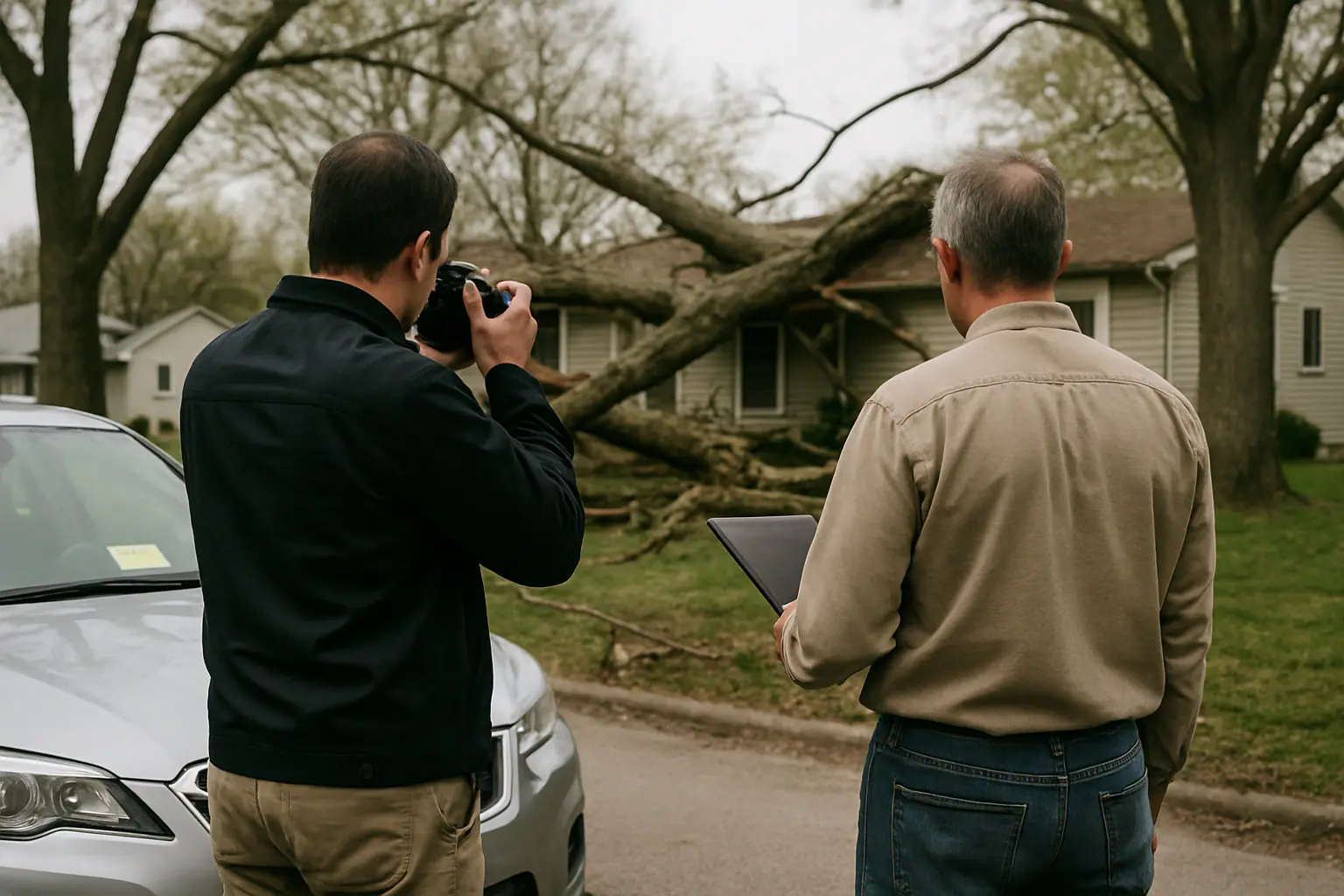
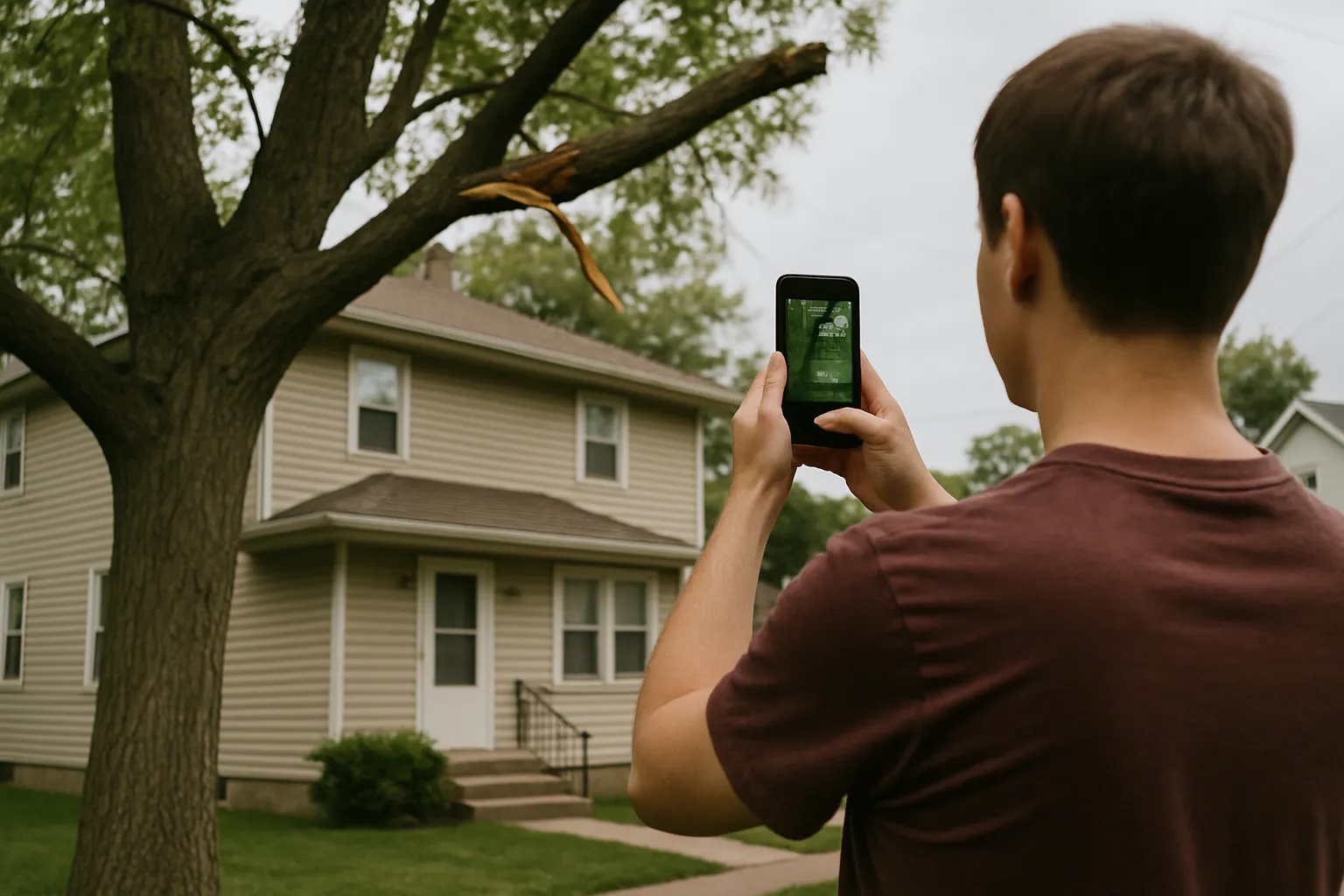
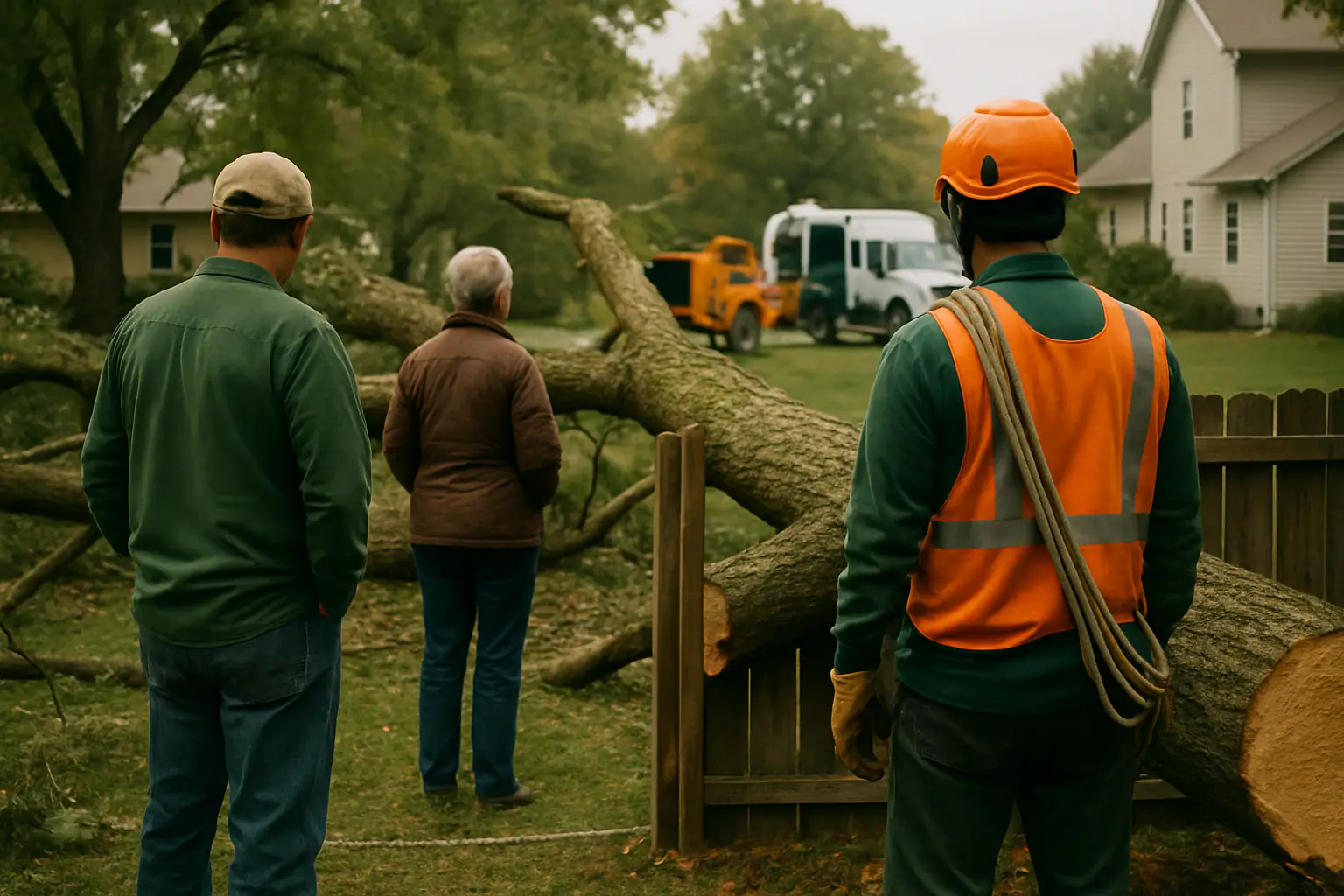
Who Pays When a Neighbor’s Tree Falls on Your Property?
Missouri follows the straightforward version: your insurance handles your damage first, then negligence questions maybe matter later.
Read the guide
Costs, timing, storm preparation and local tree problems — practical guides written by a crew that works these properties every week.
⭐ 4.8 rating on GoogleServing Lafayette County since 1992
Missouri follows the straightforward version: your insurance handles your damage first, then negligence questions maybe matter later.
Read the guideTree-on-house is the textbook covered loss. The complications arrive via deductibles, debris caps, temporary repairs and whose tree it was.
Read the guideThe answer hinges on what the tree hit, whose policy applies, and caps most policies hide in debris-removal clauses. Plain English follows.
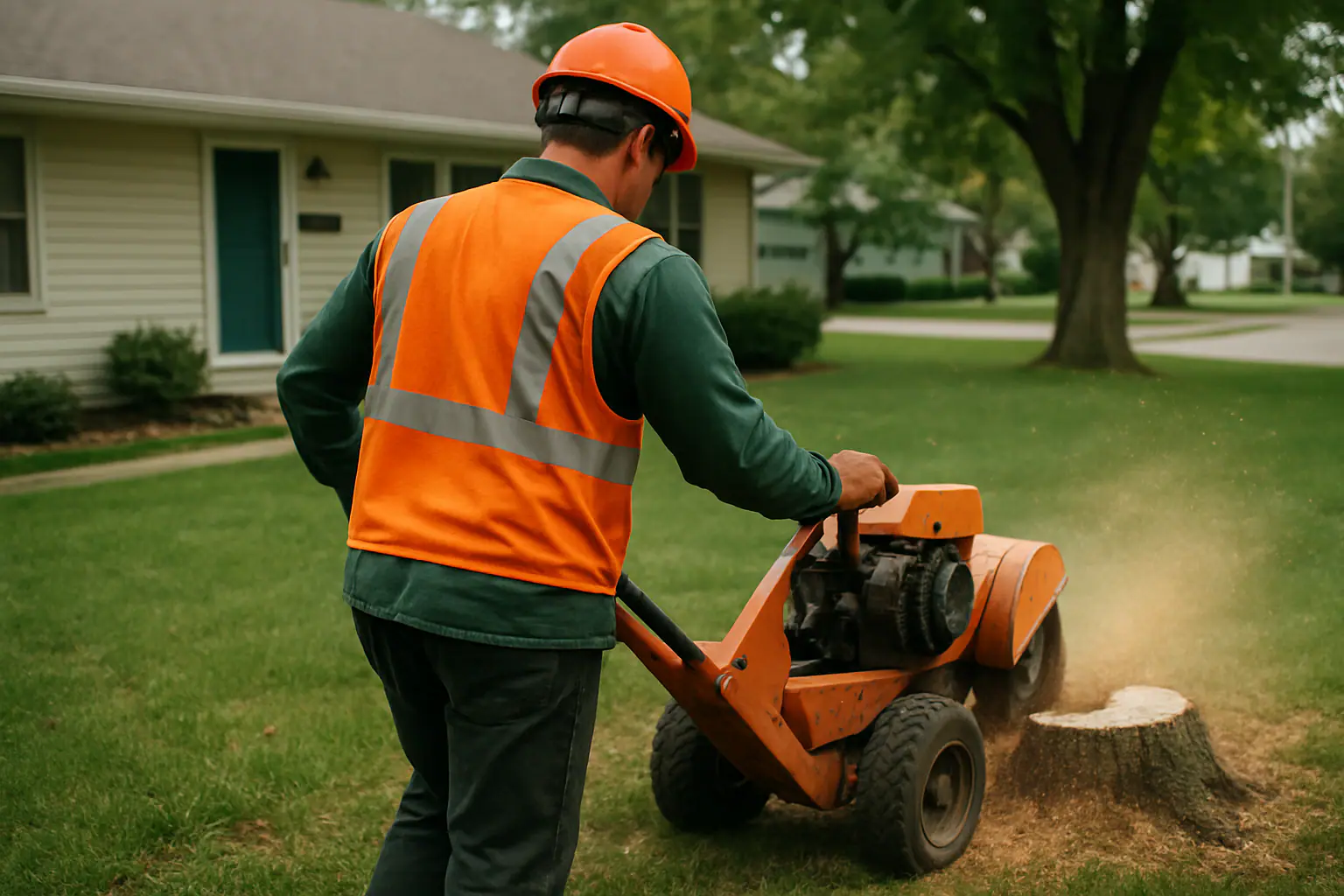
Read the guideThe most predictable pricing in tree care — stump grinding scales almost linearly with diameter once access and depth are known.
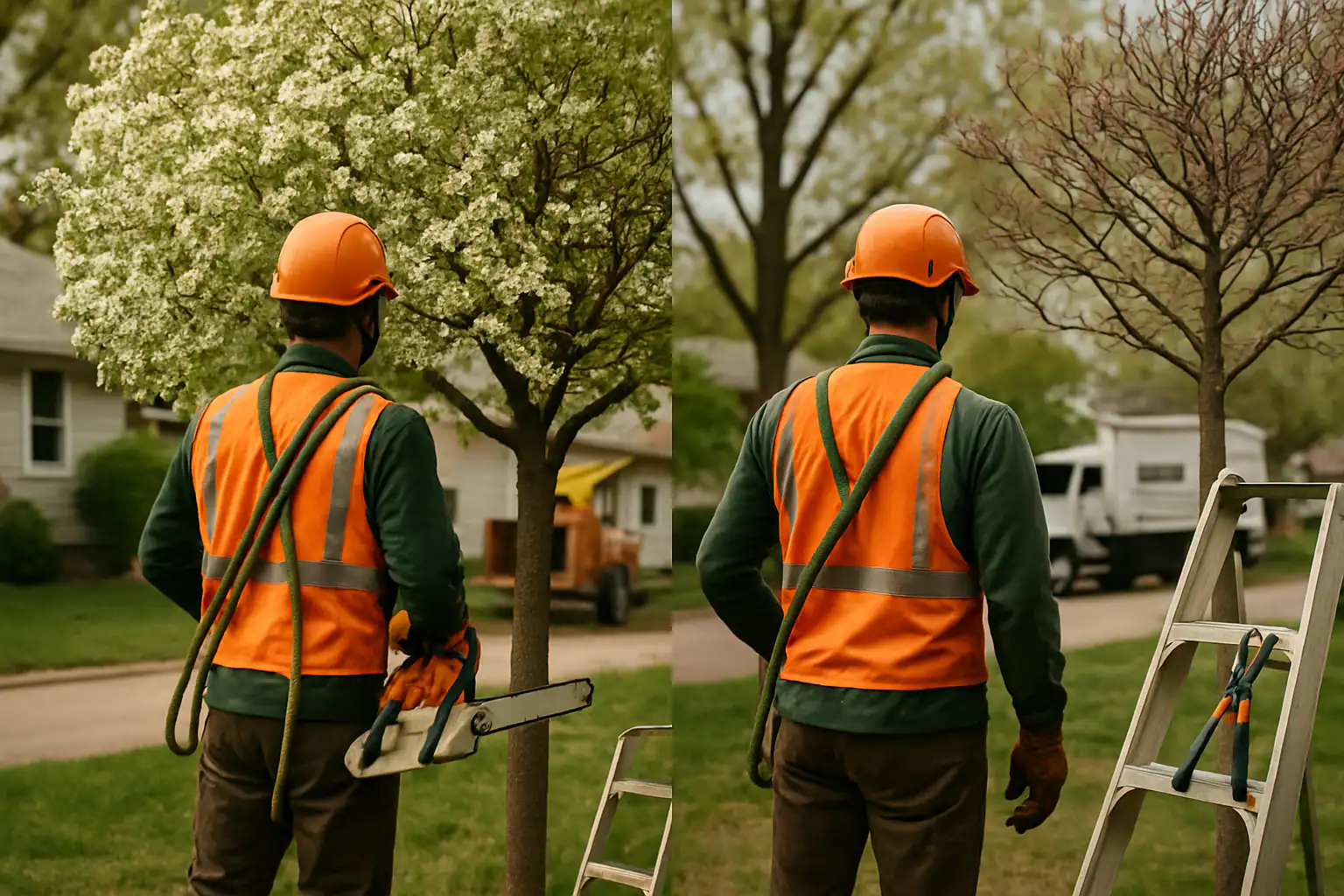
Read the guideTrimming prices confuse people because the work ranges from an hour’s shaping to technical rigging over roofs. The factor breakdown explains the spread.
Read the guideNobody honest quotes tree removal without seeing the tree. Here is exactly why — and the factors that move your number up or down.
Read the guideNothing dramatic happens immediately — which is exactly why stumps win the procrastination game. Year three changes minds.
Read the guide“Below the mower” and “ready for concrete” are different depths. Here is what standard, deep and specialty grinding actually mean.
Read the guideOne cuts the stump down quietly in an hour; the other digs the whole thing out. Your project decides which — not preference.
Read the guideDistance alone doesn’t condemn a tree — but proximity multiplies every other problem. Run this checklist before deciding anything.
Read the guideZero damage promises are marketing; minimal-damage outcomes are method. Here’s what actually protects lawns, beds and drains during big removals.
Read the guide“Immediately” depends on what stands in the fall radius. The brittleness clock runs regardless — here is how to set your timeline honestly.
Read the guideRemoval recommendations deserve skepticism-proof reasoning. These seven signs survive scrutiny — and knowing them protects you from upsells too.
Read the guideTrees announce pruning needs clearly if you know the vocabulary — seven signs translate tree behavior into action items.
Read the guideOne number fits none: oaks stretch five years, silver maples demand three, and anything over your roof earns its own schedule.
Read the guideThe words get used interchangeably, but the intent behind them determines which cuts happen — and whether your tree thanks you in twenty years.
Read the guideHonest answer: sometimes yes, sometimes absolutely not. The deciding factors are tension, size and what the tree rests against — not courage.
Read the guideSome leans grew over forty years and mean nothing. Others appeared Tuesday. Telling them apart comes down to three observable signals.
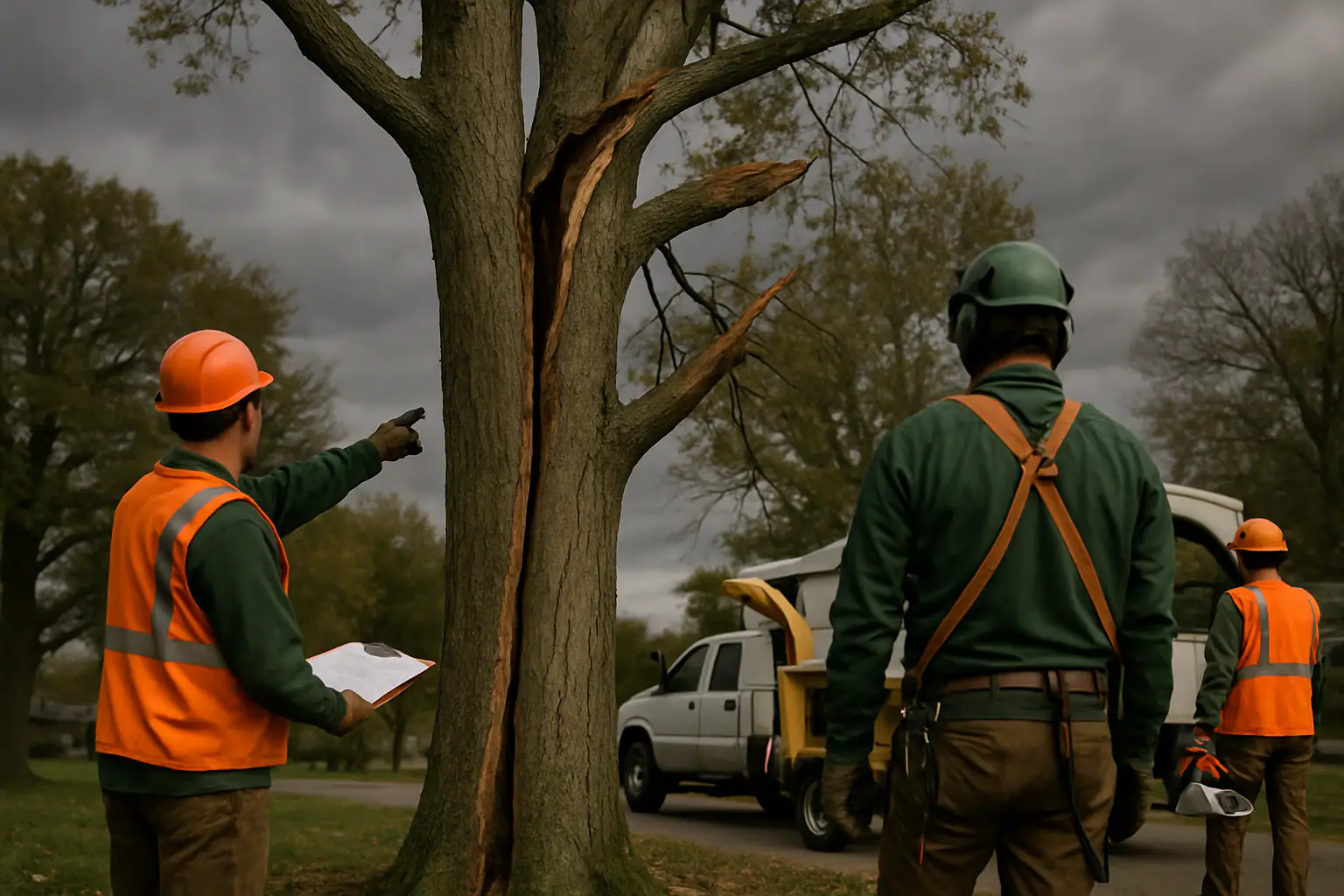
Read the guideNot every storm-hit tree needs removal — but certain damage patterns predict failure reliably. Learn to tell the difference before the next wind does it for you.
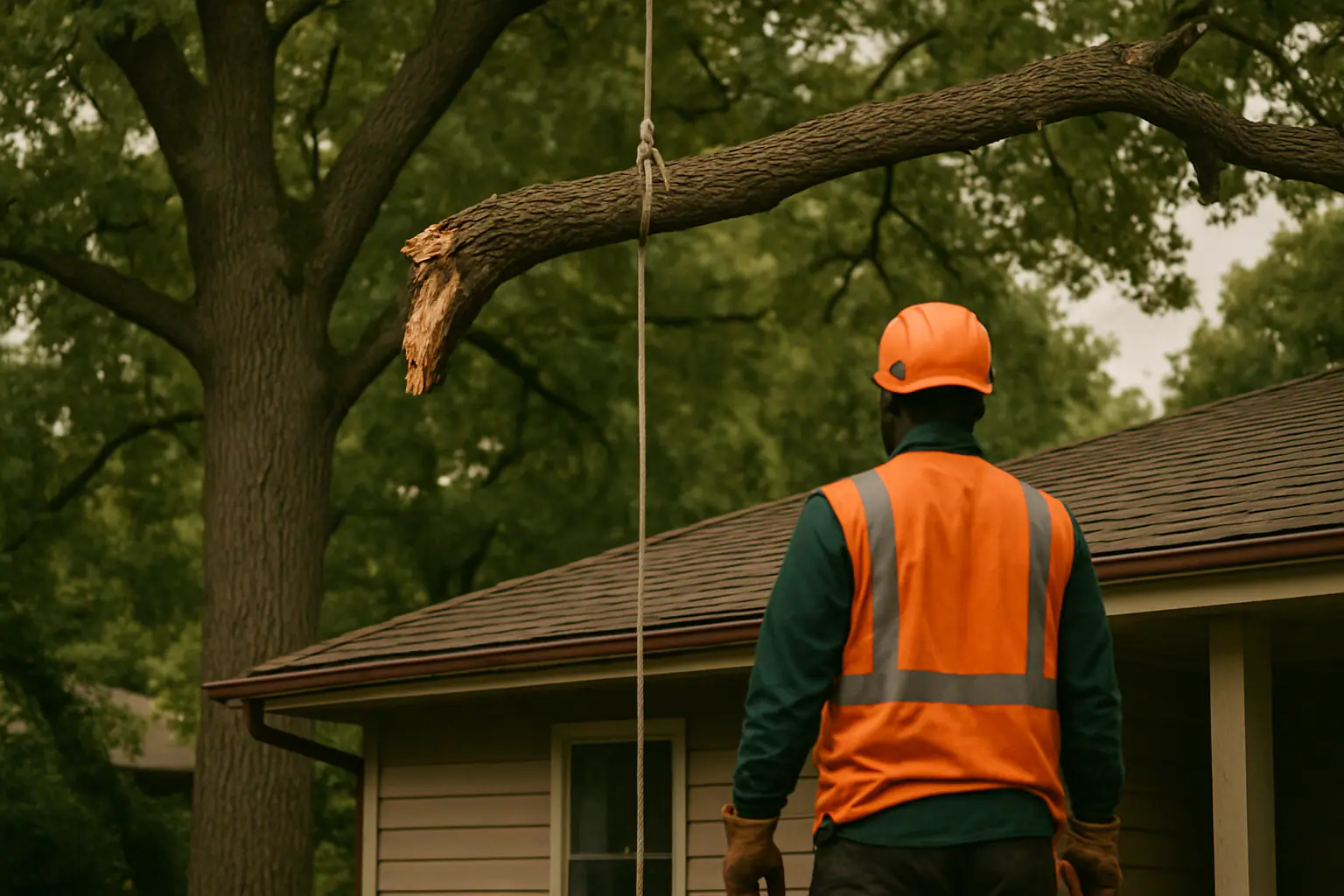
Read the guideA hanging limb over your house is a countdown timer, not a decoration. Here is why it got there, what makes it worse, and how it comes down safely.
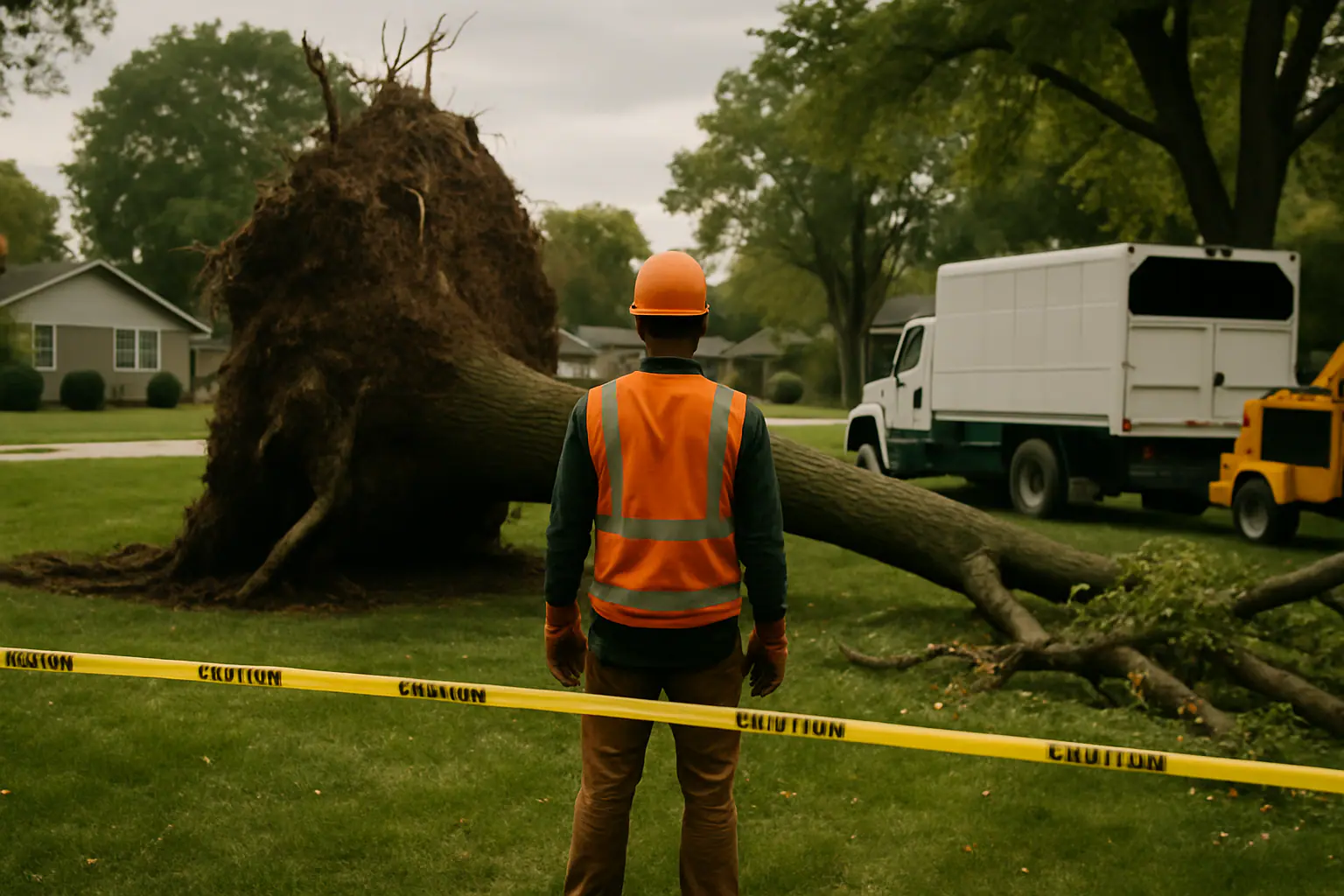
Read the guideA fallen yard tree looks like firewood waiting to happen. It is also full of loaded tension that sends people to emergency rooms. Here is the safe sequence.
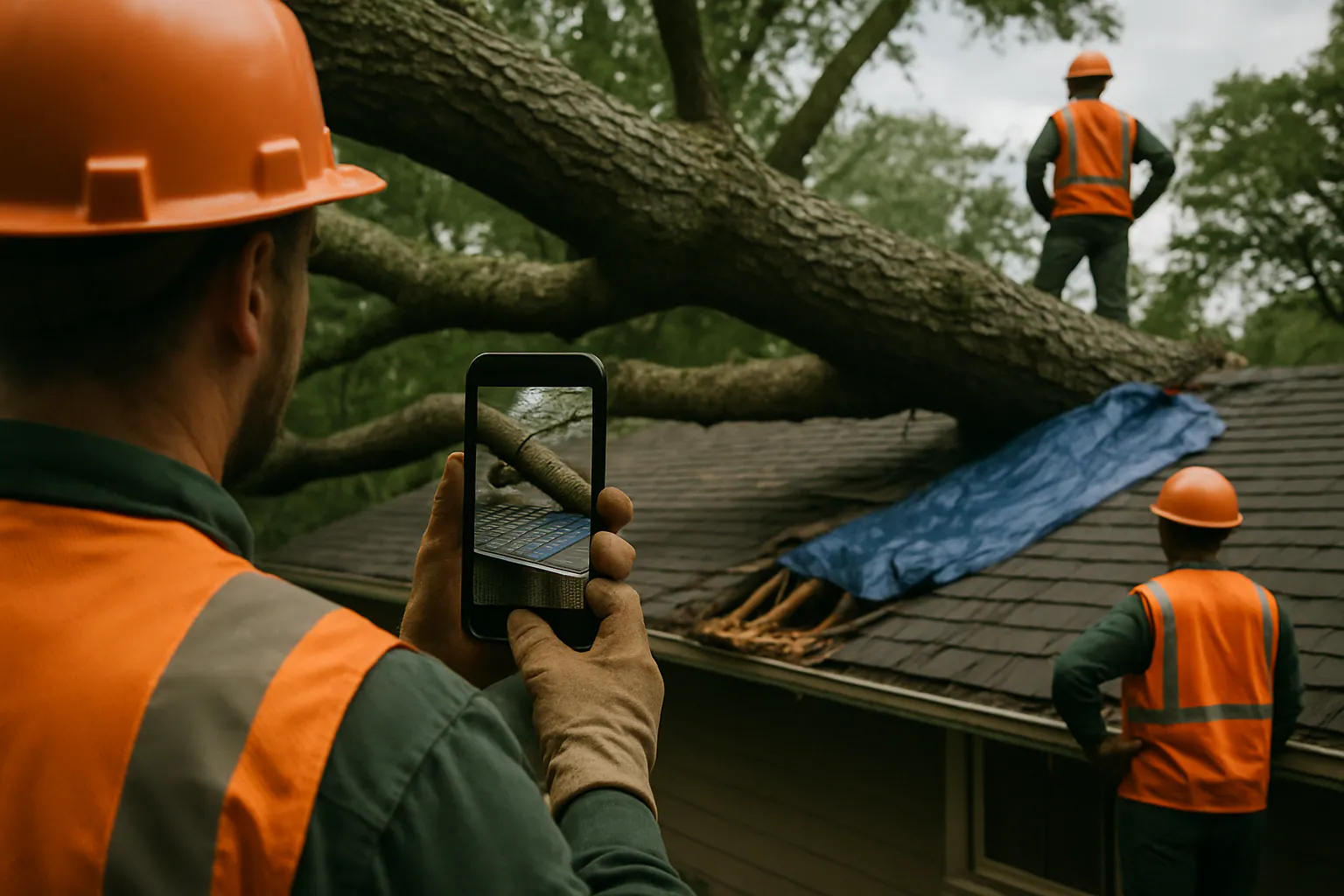
Read the guideThe first thirty minutes after a tree hits your house matter more than the next thirty hours — here is the exact sequence, in order.
Read the guideTrees and structures coexist fine — with discipline. Clearance targets by surface type, plus the maintenance rhythm that maintains them.
Read the guideIce season tests every shortcut fall skipped. This checklist closes the gaps while ground stays workable and schedules stay open.
Read the guideTrees fail along predictable patterns. These ten signals cover the failure modes that injure people and damage property across Missouri.
Read the guideDead branches advertise themselves in four ways visible from the ground. Learning them turns yard walks into hazard inspections.
Read the guideStorm damage concentrates on unprepared trees. A spring inspection circuit plus targeted pruning removes most of next winter’s emergencies.
Read the guideSpring reveals what winter hid. This ten-point circuit catches damage while fixes stay cheap — fifteen minutes per yard, once a year.
Read the guideA practical calendar for keeping Higginsville’s mature yards safe — what to check each season and when to call instead of climb.
Read the guideThe ash apocalypse reached us officially. Here is what detection status means for your property timeline — measured in years, not decades.
Read the guideHouses that predate rural electricity sit under trees planted by the families that wired them. That combination writes its own rulebook.
Read the guideA tree two hundred yards from its forest cousin lives different physics entirely — exposure changes growth, anchorage and failure math.
Read the guideFive issues account for most tree trouble in this county. Knowing them turns mystery decline into manageable maintenance.
Read the guideIt’s not random bad luck. Missouri storms combine four failure ingredients — understanding them predicts which trees drop next.
Read the guideParking lots punish bad canopies twice — vehicle damage below, sight-line liability above. Preventive trimming fixes both cheaply.
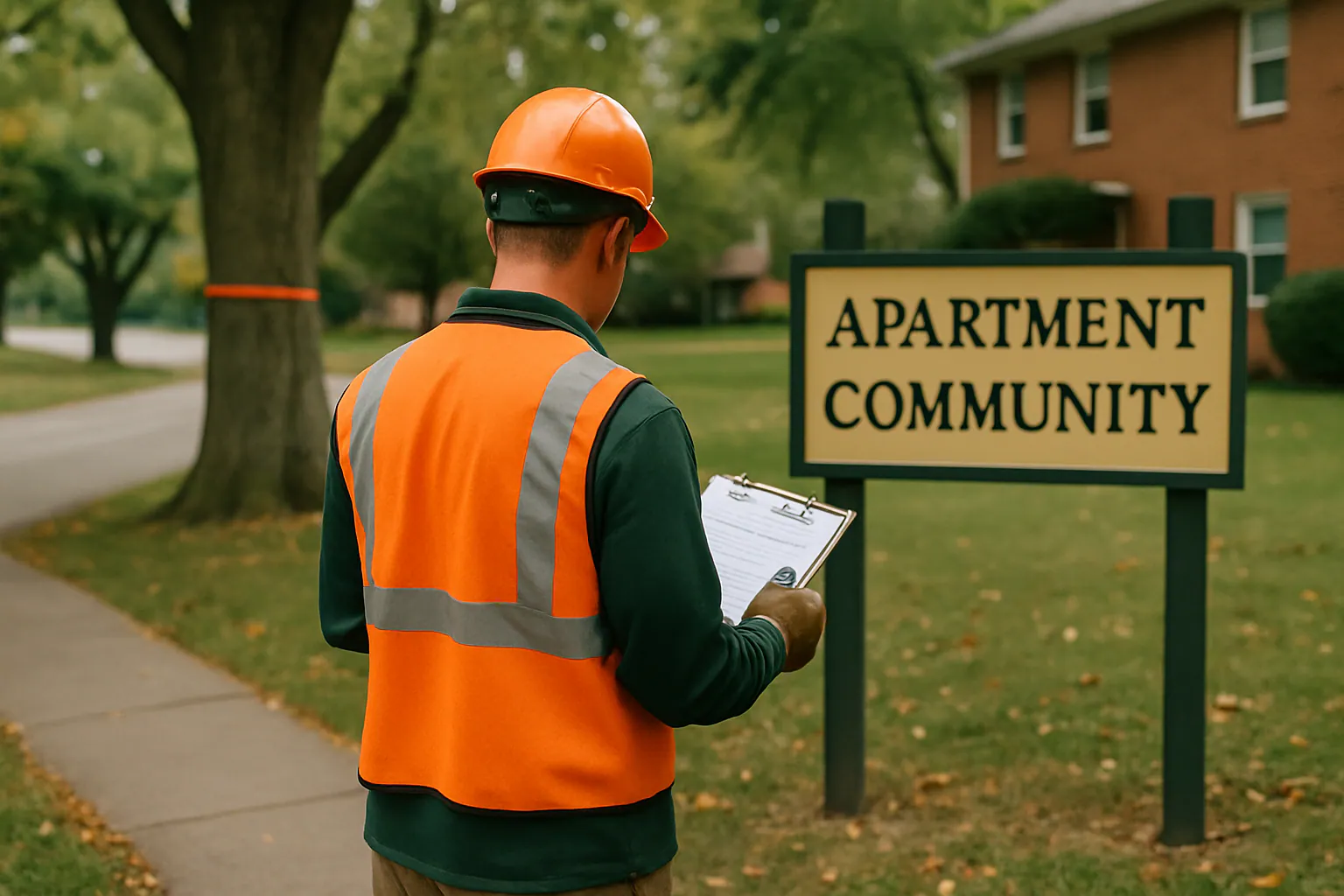
Read the guideManaged communities succeed at tree care the way they succeed at everything else: annual plans, written standards and zero drama.
Read the guidePremises liability law asks two questions: did you know, and what did you do? Tree programs answer both before courts ask.
Read the guideTenants report leaks, not leaning trees. Rental owners need inspection systems that find tree problems before tenants do — or before courts do.
Read the guideEvery removal decision balances four inputs: condition, targets, cost trajectory and documentation posture. Frameworks beat gut feelings.
Read the guideCommercial tree care is liability management wearing landscaping clothes. This checklist keeps grounds safe, presentable and documented.
Read the guideWhen you're ready to talk about your actual trees, call (855) 714-0391 — or send the quote form.
Serving Lafayette County since 1992 · Rated 4.8 on Google · Cleanup included on every job
418 N Lafayette St, Corder, MO 64021Get directions →
4.8 stars on Google (5 reviews) and 4.8 across 19 Angi reviews — follow the links and read them yourself.
Swipe or use the arrows to browse. We publish platform ratings and summarized review themes rather than invented quotes.