Seasonal Prevention
How to Protect Trees Around Your Roof, Driveway and Fence
By Bramlett's Tree Trimming — local crew since 1992
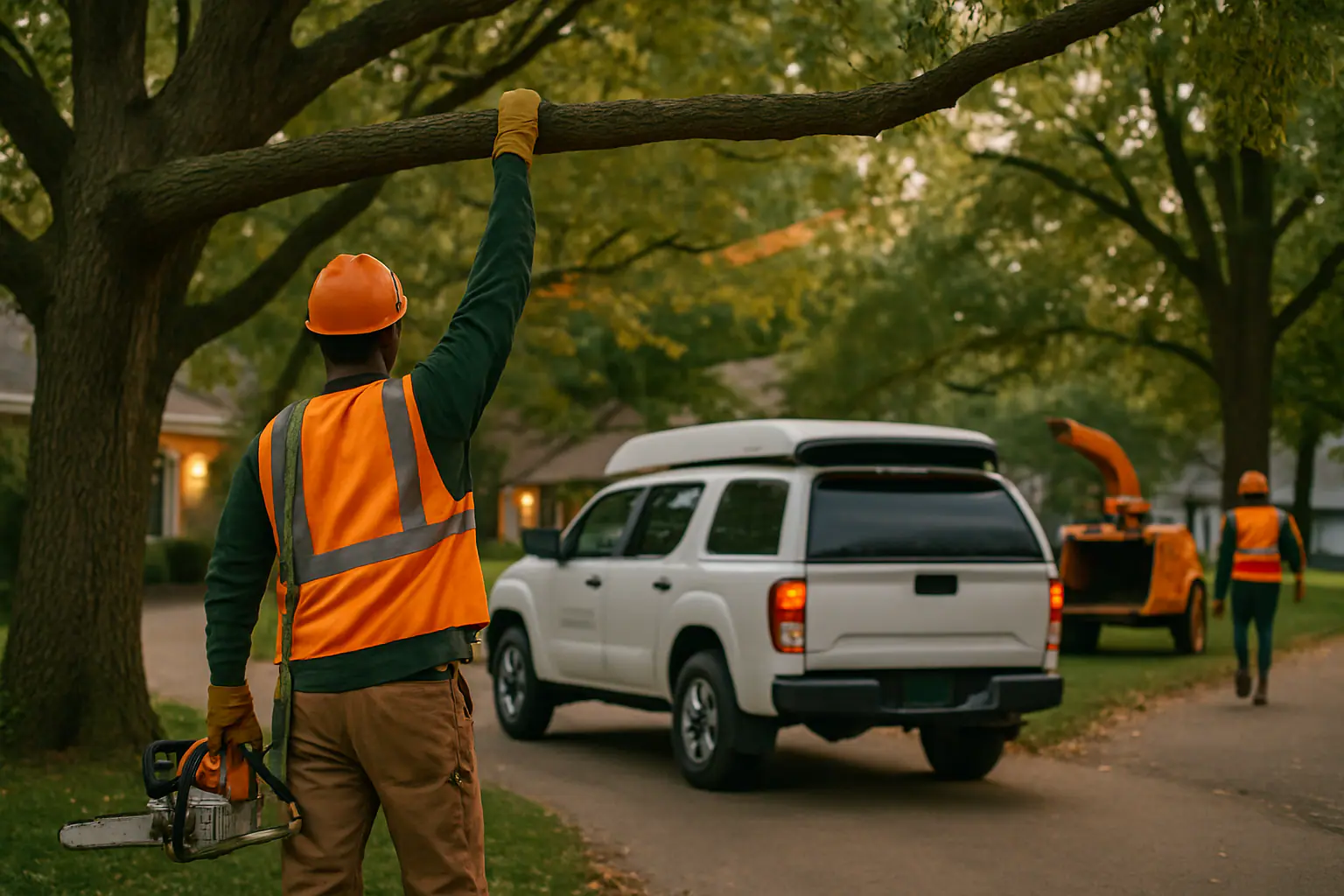
Protecting structures near trees comes down to maintaining clearance standards — 6+ feet off roofs, 8–10 feet over drives, clear of fence lines at maturity — through disciplined pruning cycles rather than crisis cutting. Coexistence succeeds through rhythm, not reaction.
Clearance Standards Worth Knowing
- Roofs: maintain 6–10 feet. Contact abrades shingles, lifts tabs in wind, clogs gutters constantly and bridges pest highways into attics
- Driveways: 12–14 feet overhead where trucks, campers and equipment pass; 8 feet absolute minimum for sedans-only situations
- Sidewalks/walks: 8 feet standard pedestrian-plus-clearance
- Fences: lateral clearance equal to expected sway plus growth increment — rubbing destroys both fence and bark
- Service drops: utility-required distances, coordinated properly since conductor proximity carries rules beyond convenience
The Pruning Rhythm That Maintains Standards
- 1Annual boundary patrol: note every structure-touching development during bare-season walks
- 2Two-to-three-year correction cycles: clearance regrowth gets addressed before contact re-establishes — small cuts heal fast
- 3Species-adjusted intervals: fast growers need tighter cycles per frequency guide
- 4Growth-direction management: redirect young limbs outward via selective cuts rather than fighting established wood later
Protection Beyond Cutting
- Root zones under driveways: avoid new paving within drip lines of keepers; where unavoidable, bridged designs preserve root function
- Construction staging: fence off critical root areas during building projects — one summer of parked material kills feeder roots silently
- Mower/trimmer discipline: trunk-wound prevention via mulch rings eliminates the most common self-inflicted tree injury
- Storm-loosened limb response: post-event patrols catching hangs before they drop onto exactly the structures this article protects
When Protection Means Removal Decisions
Sometimes the honest answer: wrong tree, wrong spot. Chronic clearance warfare against aggressive species signals replacement economics beating perpetual maintenance. Structurally questionable trees over roofs convert "protection" conversations into near-building removal ones — assessment distinguishes manageable from marginal. Around Odessa and Lafayette County those assessments start at (855) 714-0391. Related: too-close-to-house checklist.
Services & Areas Mentioned
Common Questions
Can I just cut back to clearance myself yearly?
Ground-reachable work yes; anything needing ladders past comfort belongs with insured crews — roofline work specifically combines height risk with structure consequences.
Do clearance cuts harm trees?
Properly executed, minimal — collar cuts on modest percentages seal cleanly. Chronic heavy reduction signals spacing problems maintenance cannot fix.
Who handles service-drop clearance?
Utility-owned lines belong to utility programs; homeowner-side drops are ours to work around. Each situation gets assessed honestly during quoting.