Costs & Insurance
Does Homeowners Insurance Pay for Fallen Tree Removal?
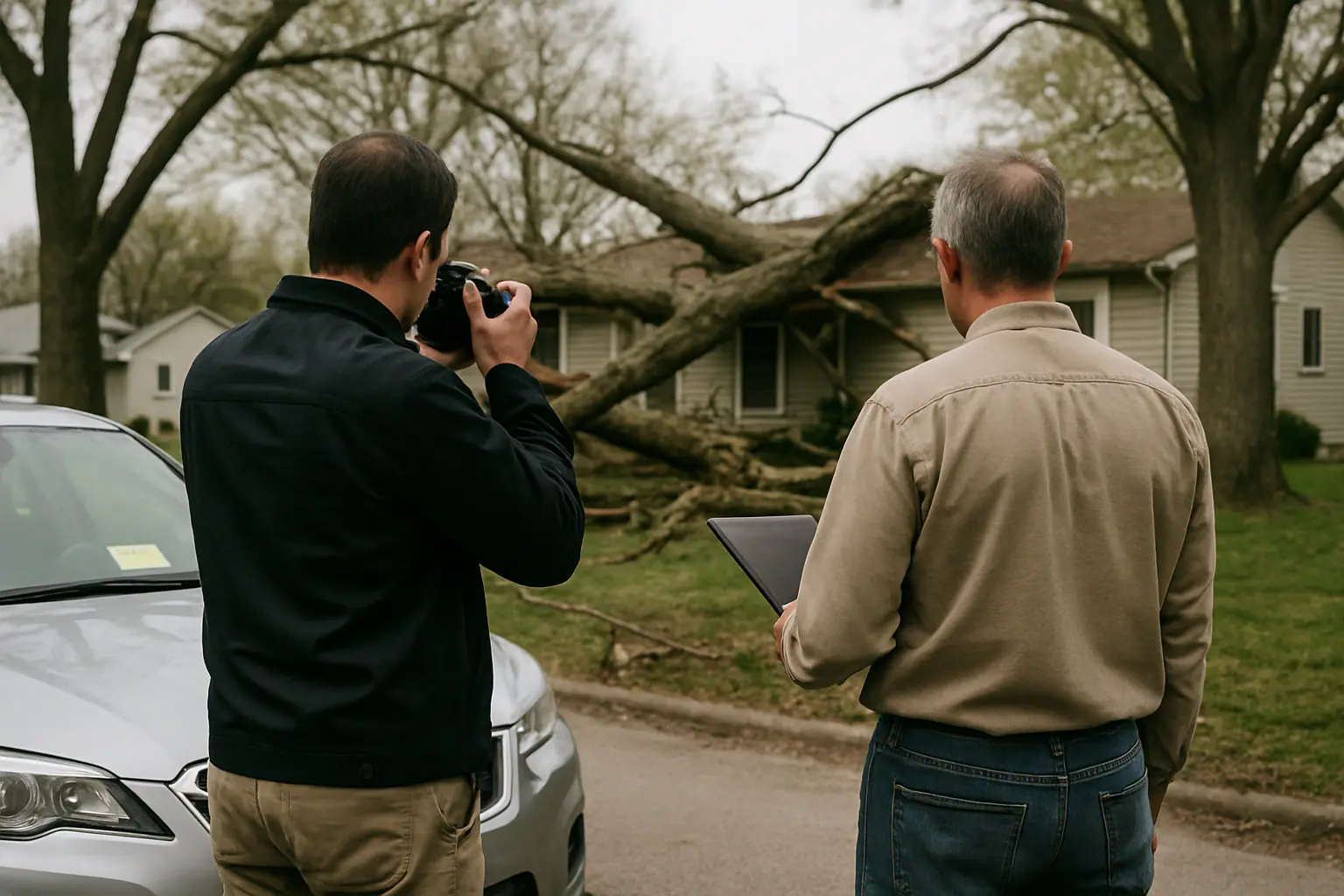
Homeowners insurance generally covers fallen tree removal when the tree damages a covered structure — house, garage, fence — and generally declines coverage for trees that fell harmlessly onto open yard, subject to policy-specific caps and deductibles that shape the practical outcome.
The Damage Rule
Insurers frame tree removal as consequence of covered peril damaging covered property. Tree-through-roof: covered, including reasonable removal enabling repairs. Tree-flat-in-yard touching nothing: usually your expense alone. Tree blocking the driveway: many policies cover removal as access-necessity even without structure impact — check your specific language, since this varies more than most clauses.
Caps and Deductibles Change Real Outcomes
- Debris removal sublimits: many policies cap tree-debris coverage at $500–$1,000 regardless of actual removal cost
- Your deductible applies: $1,000-deductible claims on $1,200 removals net you $200 minus premium consequences — often self-pay wins
- Repair-versus-removal framing: adjusters approve removal as necessary to effectuate covered repairs, strengthening claims when framing matches reality
Neighbor Trees: Same Rules, Extra Steps
Your neighbor's tree falling on your house triggers your policy first — surprising but standard. Subrogation may follow if negligence evidence exists (documented prior complaints about a visibly dead tree, for instance). Our deeper guide on neighbor tree situations covers the liability logic; the practical summary: file with your carrier, document thoroughly, let insurers sort fault between themselves.
Preventive Removal: Almost Never Covered
Insuring against future possibility isn't what hazard policies do — standing dead trees threatening to fall are maintenance obligations, not covered events. Exceptions occasionally emerge for imminent-hazard documentation combined with structure-proximity, but treating those as normal sets up disappointment. The financial logic still favors prevention: planned removal prices far below emergency scenarios plus deductible exposure. See dead tree timing decisions for that calculus.
Making Claims Work Smoothly
- 1Photograph everything before cutting begins — intact scenes document causes
- 2Get your claim number before authorizing major work when circumstances allow non-emergency pacing
- 3Request itemized removal invoices mapping work to damage — adjusters approve clarity quickly
- 4Save weather records corroborating the event date
We work alongside insurance processes regularly across Lafayette County and provide whatever documentation adjusters request. Questions during a live claim: call (855) 714-0391. Companion reading: insurance and trees-on-house scenarios.